
News about: Explosive weapons
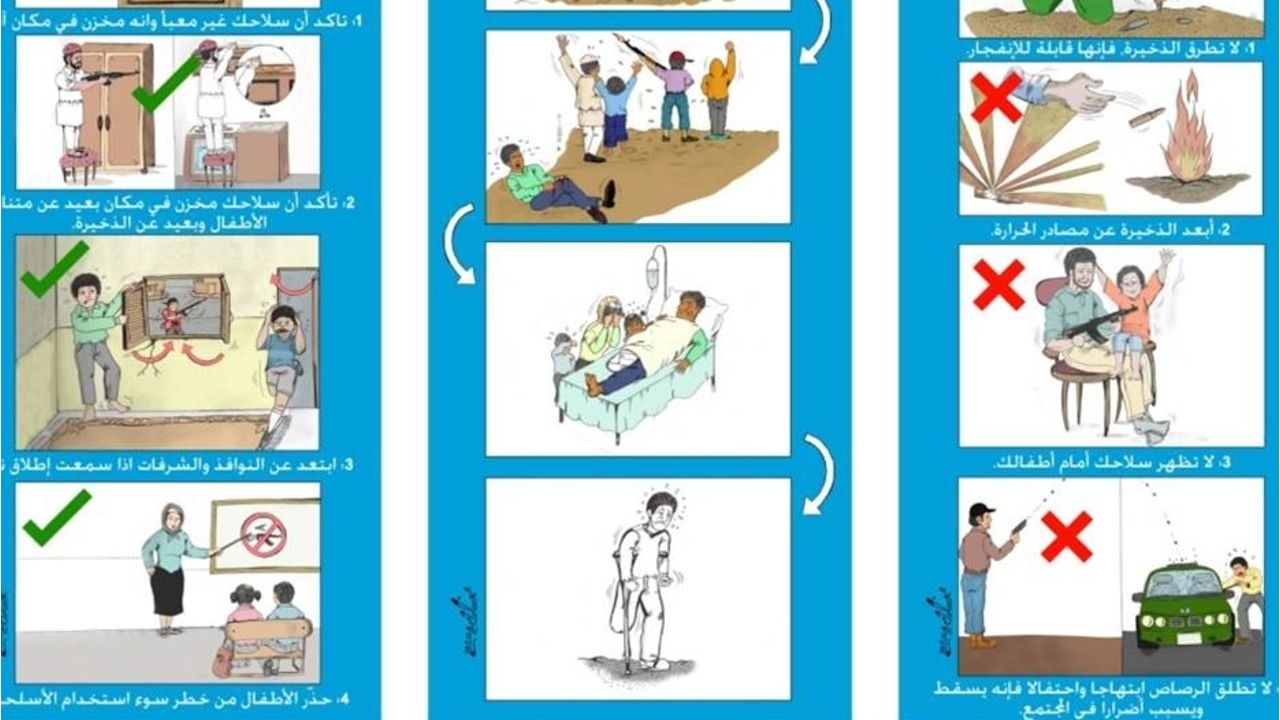
Combating weapons proliferation and armed violence 04/01/16
The Arms Trade Treaty was adopted by the United Nations General Assembly on 2nd April 2013, an important step in the fight against weapons proliferation. Handicap International is working in 20 countries to raise awareness of the risks posed by small arms and explosive remnants of war.
- Libya (no interventions)
- Mali
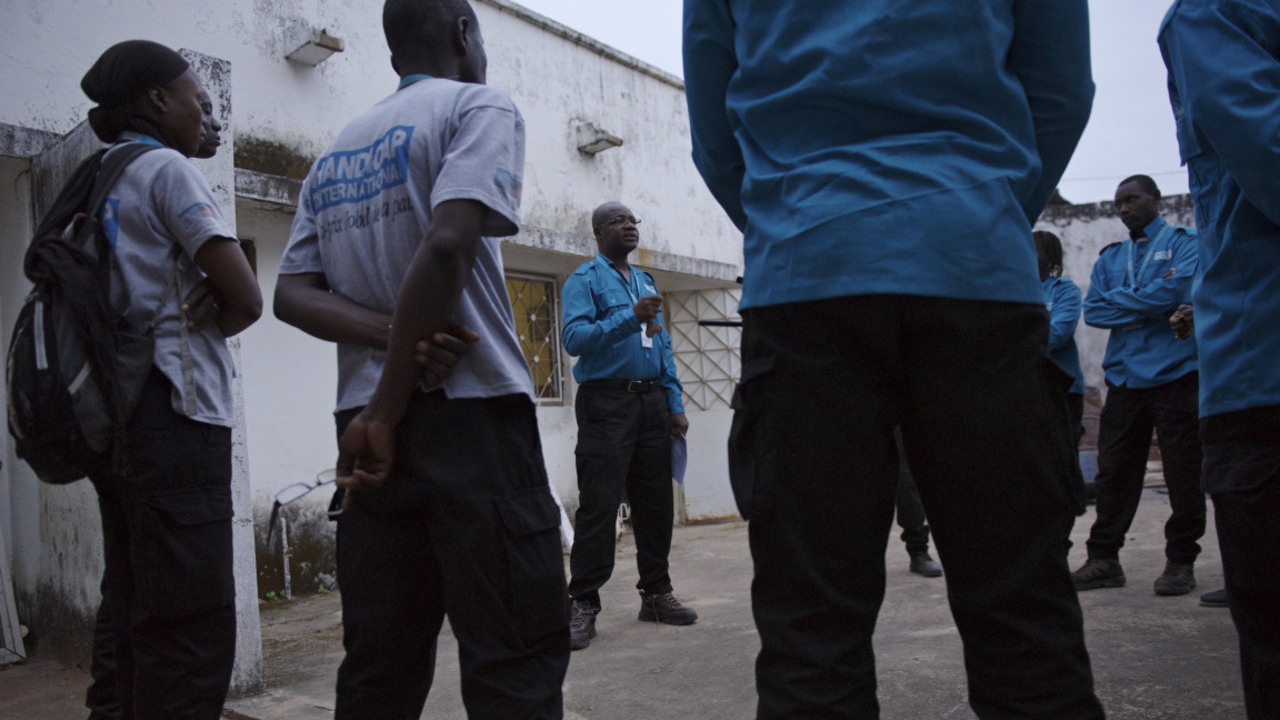
A day demining with our team in Casamance, Senegal 04/01/16
The sun has just come up. After the team has loaded up the equipment, Aziz, Handicap International's Head of Demining Operations, motivates the troops and reminds them of the day's objective: demining the village of Diagnon, located around fifty kilometers out of Ziguinchor.
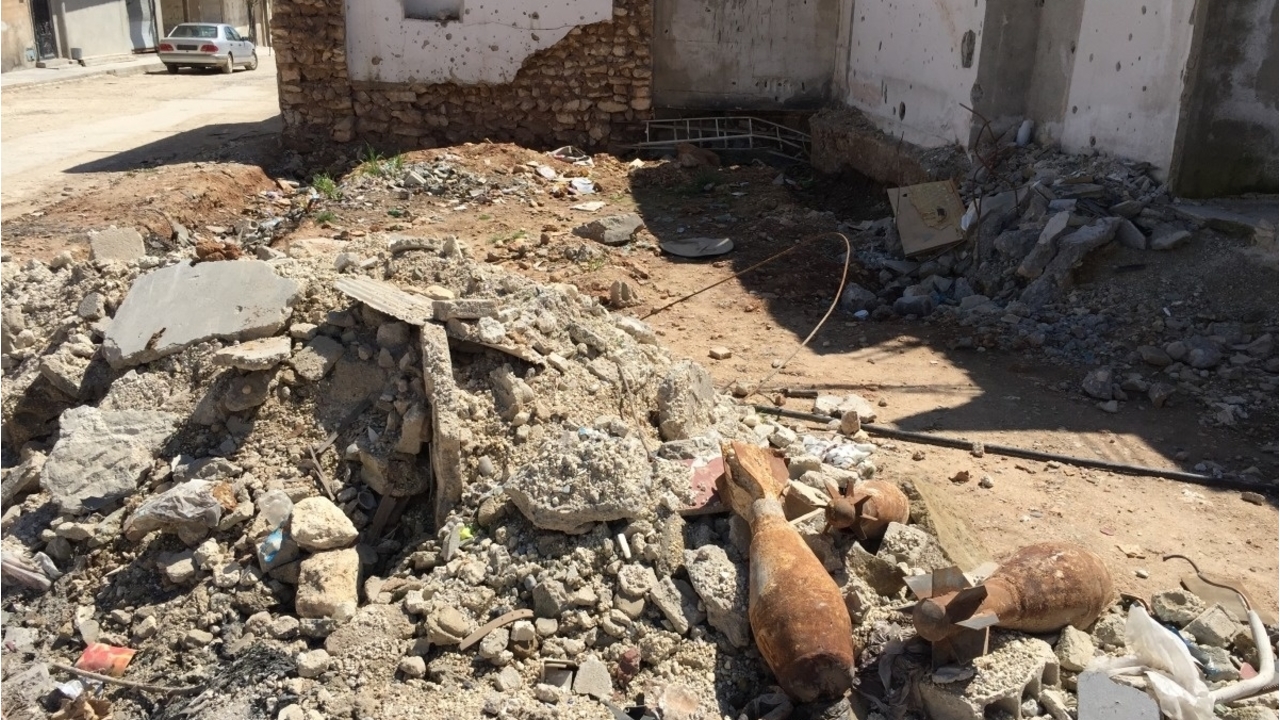
Use of banned explosive weapons at highest level since 2010 03/31/16
From Syria to Yemen, Afghanistan, Colombia, Myanmar and Tunisia, the use of banned explosive weapons increased significantly in 2014 and 2015. To mark International Day of Mine Awareness and Assistance in Mine Action, Handicap International is calling for an immediate end to the use of these weapons.
- Tunisia
- Syria
- Afghanistan
- Colombia
- Myanmar
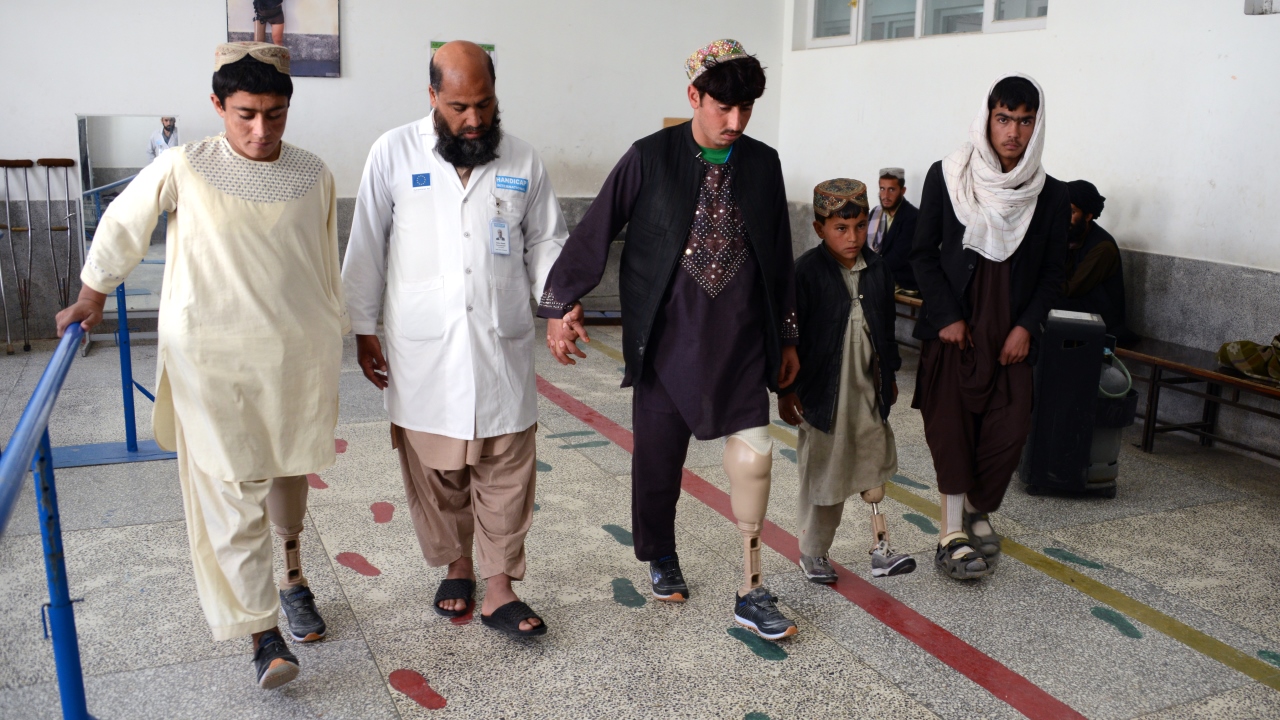
Afghanistan: Rehabilitation center in Kandahar helps injured and people 03/31/16
Since 1996, HI has managed a physical rehabilitation center in Kandahar, southern Afghanistan. This center is the only one providing comprehensive services to people living with disabilities across the whole region. We visit the center with Rasool, the officer in charge of our activities in Kandahar province.
- Afghanistan

Sayed, 6: “I can play with my friends again!” 03/25/16
Sayed is a six-year-old boy from Afghanistan with an irresistible smile. When he was five, he was injured by an improvised mine – one of many victim-activated devices that regularly kill and maim people in Afghanistan. After Sayed’s left leg was amputated, he was immediately treated by Humanity & Inclusion and he is steadily regaining his independence. We talked to him and his father, Mohammed, at HI's physical rehabilitation center in Kandahar.
- Afghanistan
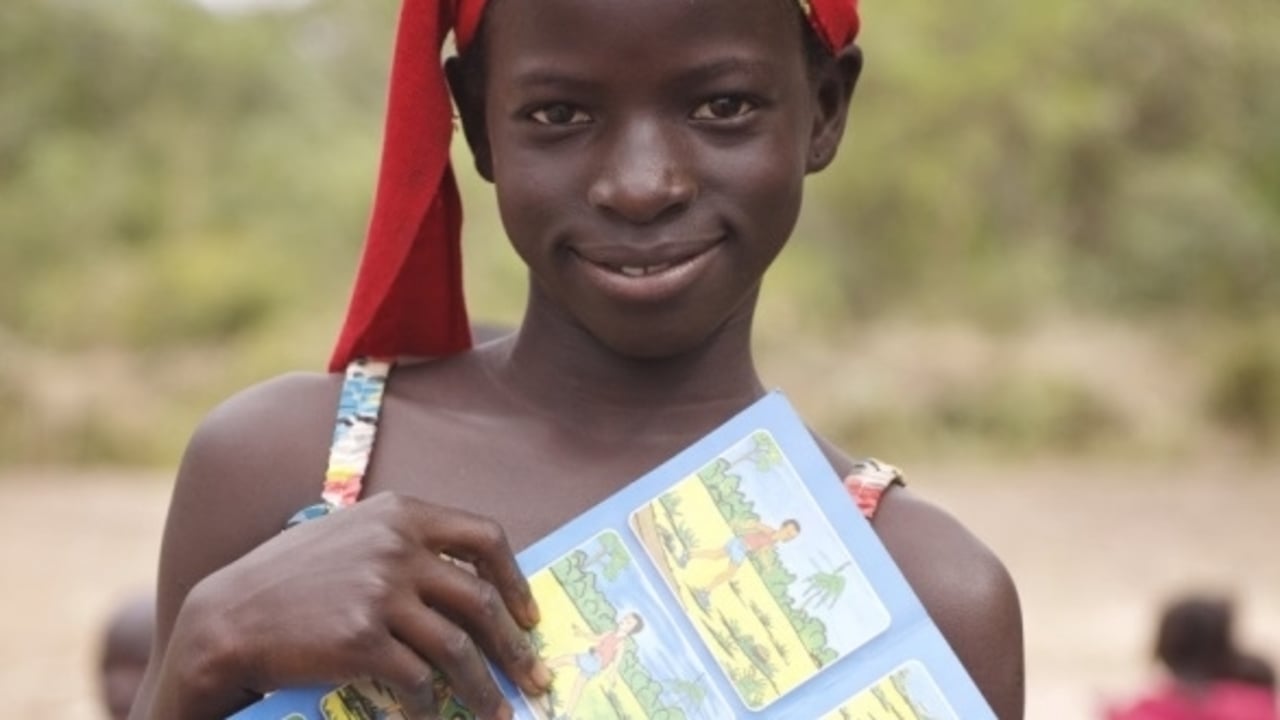
What should you do if you find a mine? 03/21/16
The conflict that devestated the region of Casamance in southern Senegal for thirty years is now over. However, anti-personnel mines still pose a threat to civilians. Alongside its mine clearance operations, Handicap International is also working with its partner, ASVM (the Senegalese Association of Mine Victims), to inform and raise people's awareness of the dangers posed by mines. Over an eight-month period, awareness-raising sessions will be held in 60 schools and 65 villages.
- Senegal
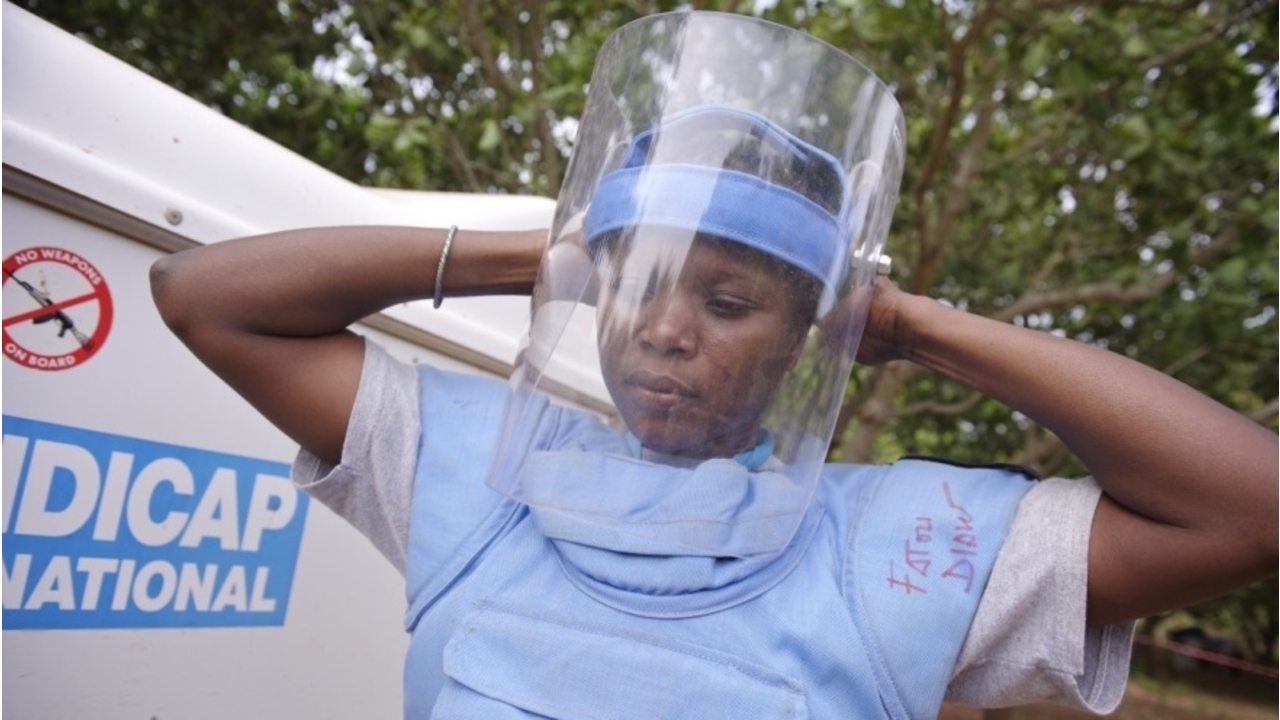
50 mines and counting: a woman clears a path to safety in Senegal 03/21/16
In southern Senegal, landmines pose a clear and present danger. The violence that rocked Casamance for 30 years is now a distant memory, but the mines laid during the fighting, often on the edges of villages, continue to put people’s lives in danger.
- Senegal
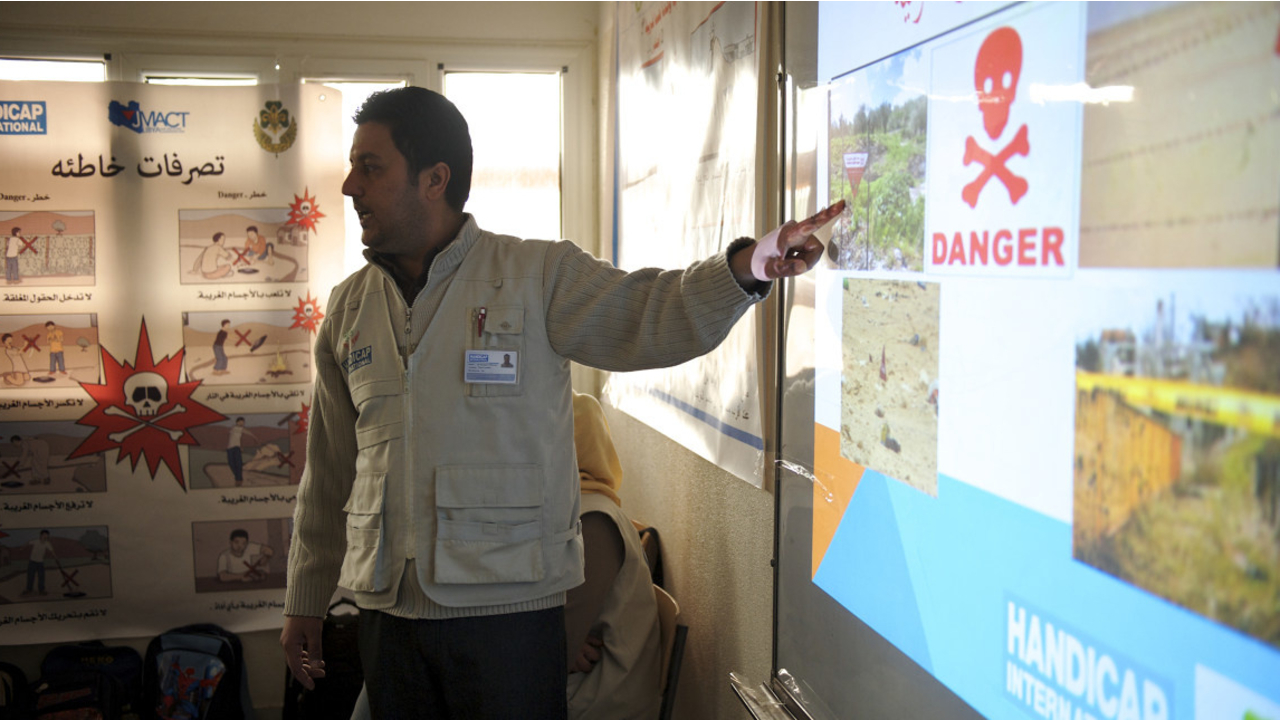
Weapons: a daily threat to people’s lives 02/18/16
The fall of Muammar Gaddafi in 2011 and Libya’s descent into chaos has led to a proliferation of arms and an escalation in fighting between militia groups. In response, Handicap International is providing the population with risk education on firearms, mines and explosive remnants of war. Over the last four years, the organization has educated 120,000 people at greatest risk from these weapons, most of them children.
- Libya (no interventions)
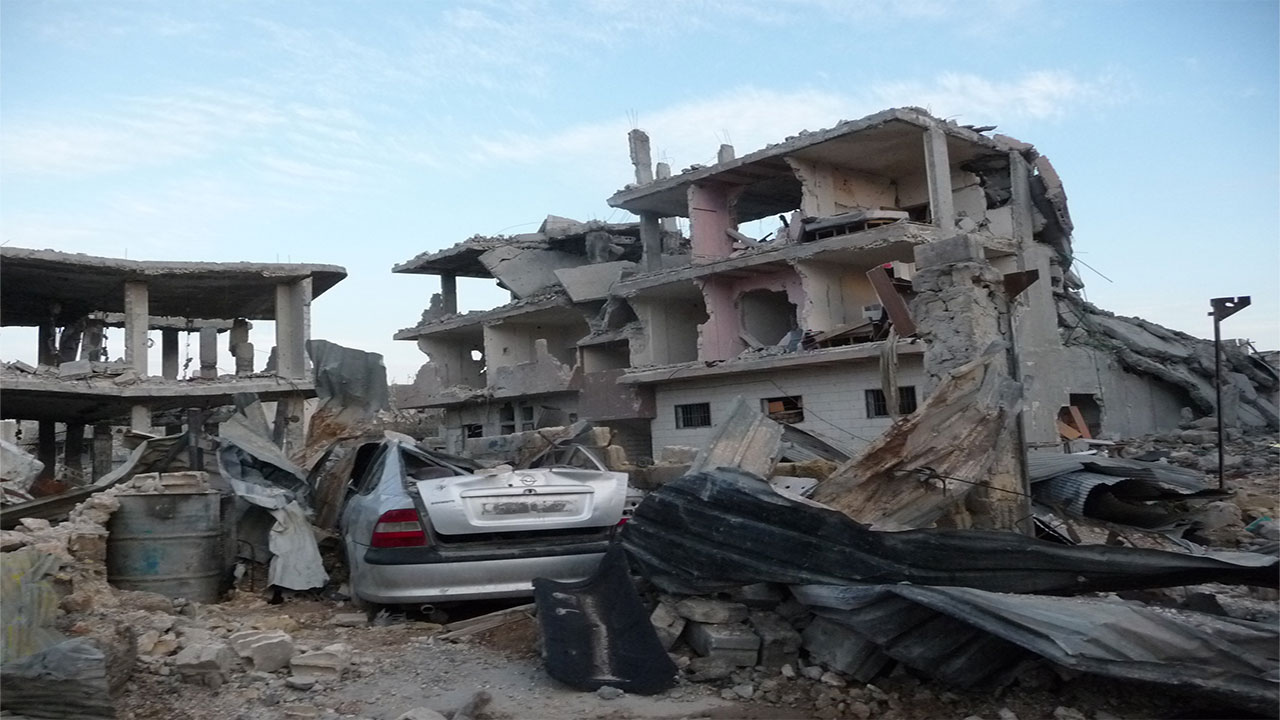
UN Security Council Open Debate on protection of civilians: Governments should recognize impact of explosive weapons 01/18/16
A UN Security Council Open Debate on Protection of Civilians in Armed Conflict will be held on 19th January 2016. Handicap International urges States to take action against the use of explosive weapons in populated areas, which killed or injured 32,000 civilians in 2014.[1]
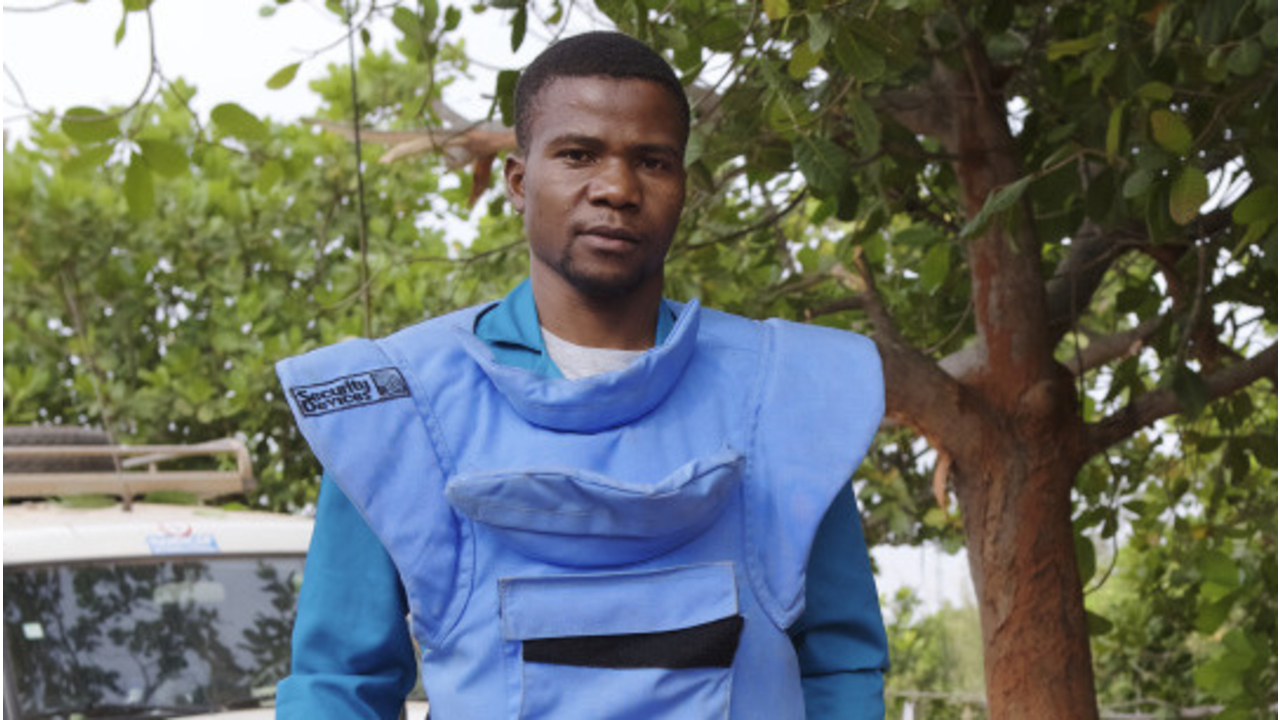
Mine detection dog handler, a real passion 12/23/15
‘This is not something you can do if you aren’t passionate about it’. This was the first thing Jonathan Matambo said to me, the mine detection dog handler who joined Handicap International’s demining team in Casamance, Senegal, last September. The 33-year old divides his time between his family, who live in Harare, Zimbabwe, and his two explosive detection dogs, Katja and Rex.
- Senegal
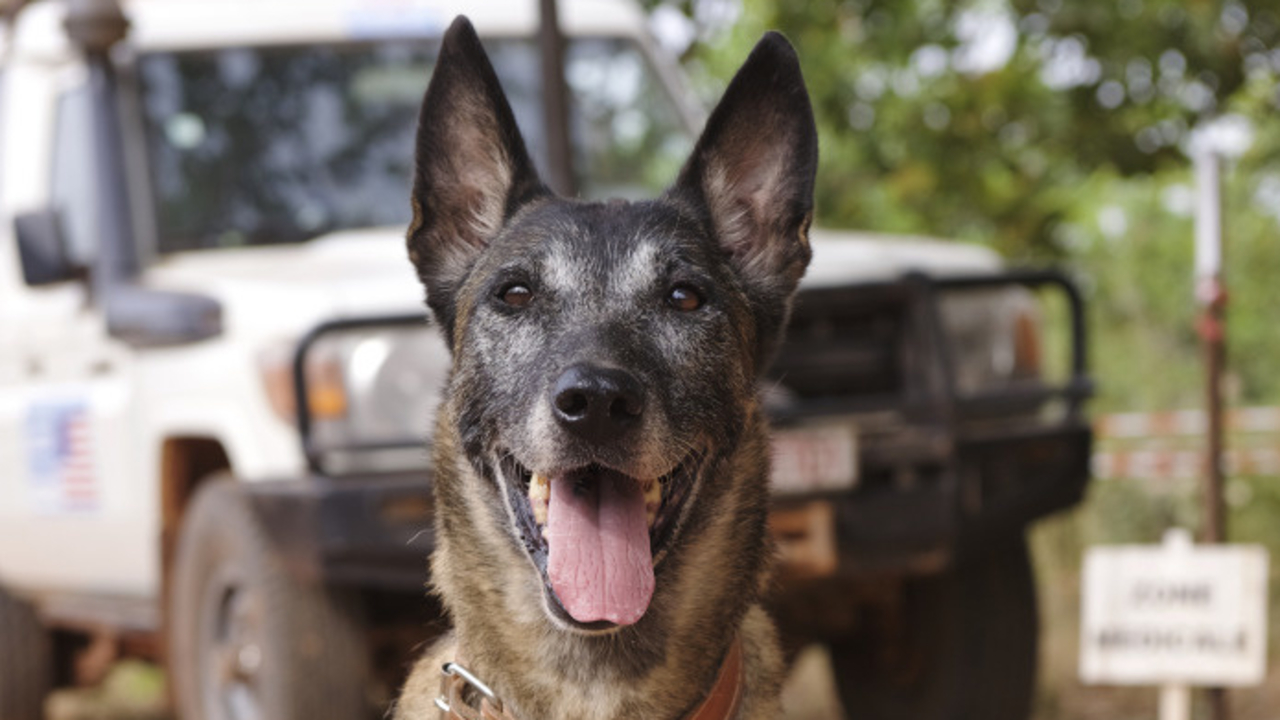
Name: Katja. Profession: Explosive detector 12/23/15
At nine years of age, Katja is something of a veteran. However, each day this female Belgian Shepherd comes to work with fresh energy and enthusiasm. She has worked in an impressive number of African countries: Kenya, South Sudan, the Democratic Republic of Congo... and thanks to her exceptional sense of smell she has detected dozens of explosive devices.
- Senegal
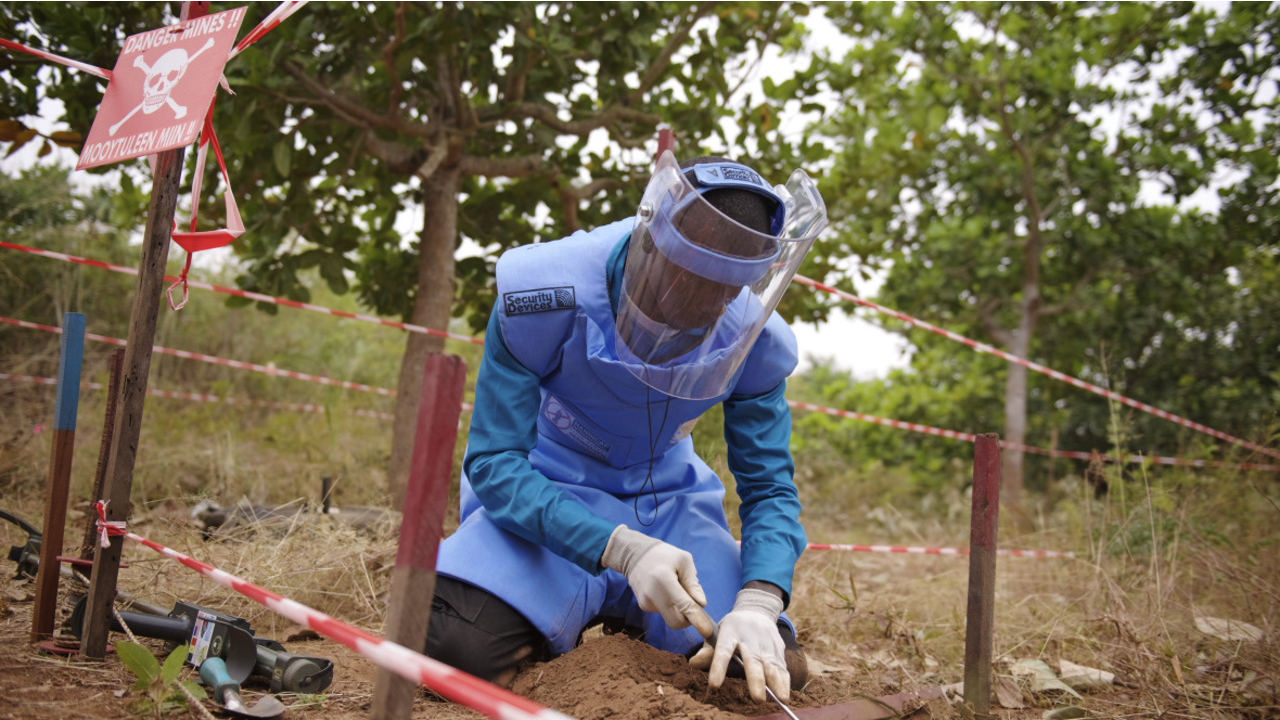
Freeing Casamance from the threat of mines 12/23/15
Although the conflict between the Senegalese army and the rebel forces of the Movement of Democratic Forces of Casamance (MFDC) appears to be slowly fading, populations still face the threat of anti-personnel mines. At the beginning of December, Handicap International launched a mine-clearing program. The first operations in the village of Diagnon, east of Ziguinchor, began in mid-December and aim to clear 30,000 square meters of land of mines, barbaric weapons that primarily kill and mutilate civilians.
- Senegal
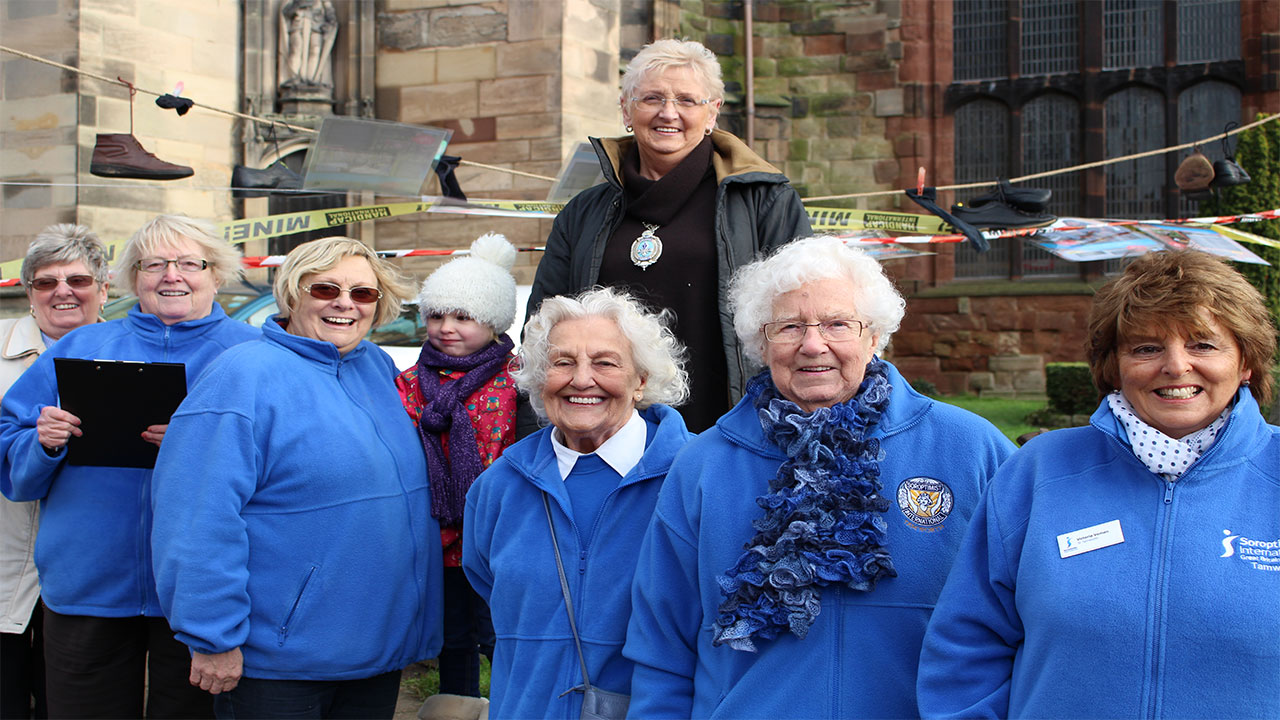
40 events around the UK to support the forgotten victims of conflict 12/18/15
This December, UK school students and campaigners from Cornwall to the Highlands raised their voices for the victims of conflict in countries like Syria, as part of the Forgotten 10 Challenge. Students raised awareness among their peers, Pyramids of Shoes were built, Tea at 10 coffee mornings took place, and lots of support was gathered for the Stop Explosive Weapons petition.
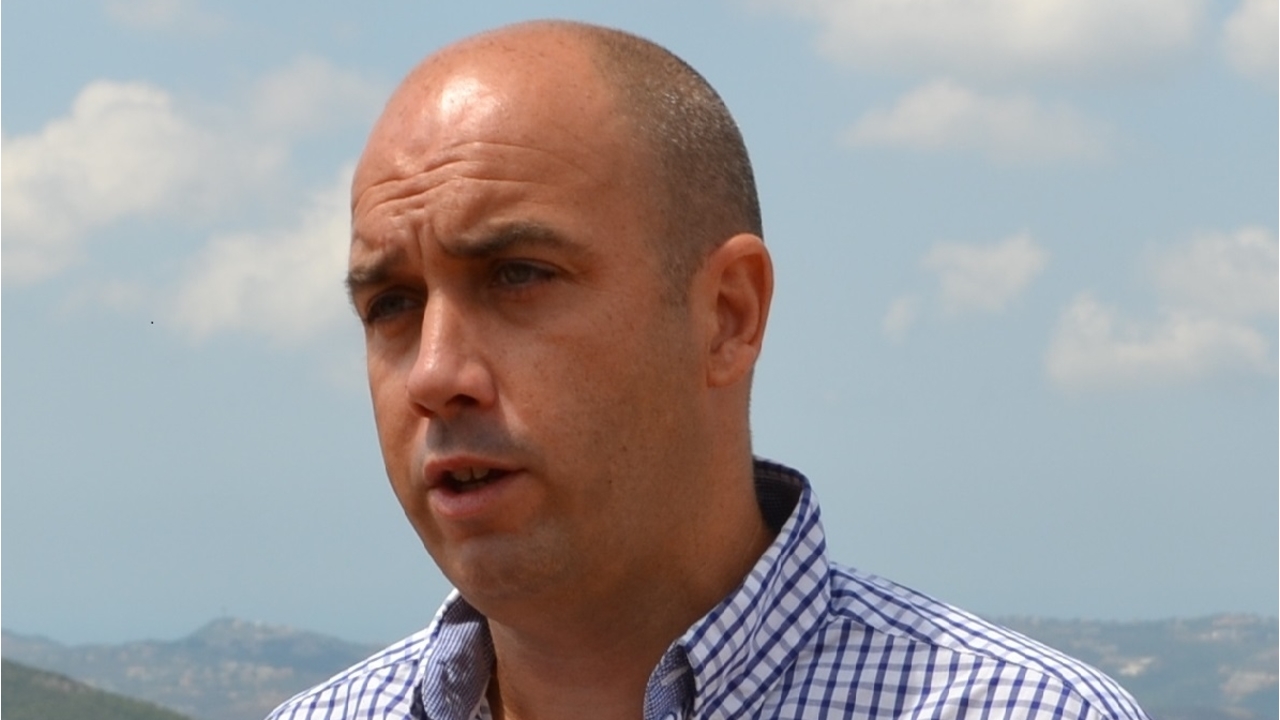
Demining in the mountains 11/25/15
Handicap International’s demining operations have been running since 2011 in the province of North Lebanon, and more recently have been deployed in the province of Mount Lebanon. The civil war, which tore the country apart between 1975 and 1990, left swathes of land rendered unusable by landmines. This land has now been cleared and handed back to the local inhabitants.
- Lebanon
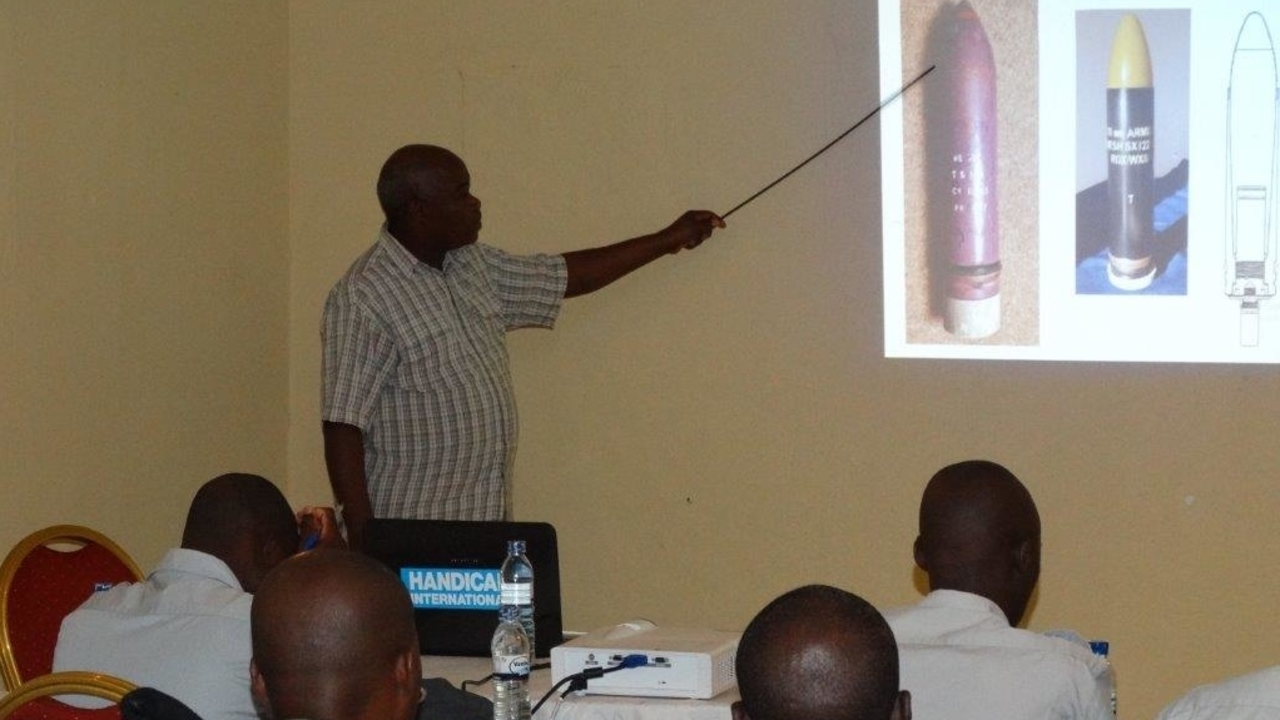
Police officers receive training on demining techniques 11/19/15
Since November 2014, Handicap International has been training Mozambique’s police force in basic techniques for neutralizing explosive devices. This is one way in which the organization is seeing through to completion the demining work it began in the country in 1998, and which ended last March.
- Mozambique